Age Spots: Signs And Symptoms And Therapy Advanced Dermatology Of North Main Ohio
Age Places: Prevention & Therapy Choices
:max_bytes(150000):strip_icc()/seborrhoeic-keratosis-21a3d340395e40c2b5f654f1f975f471.jpg)
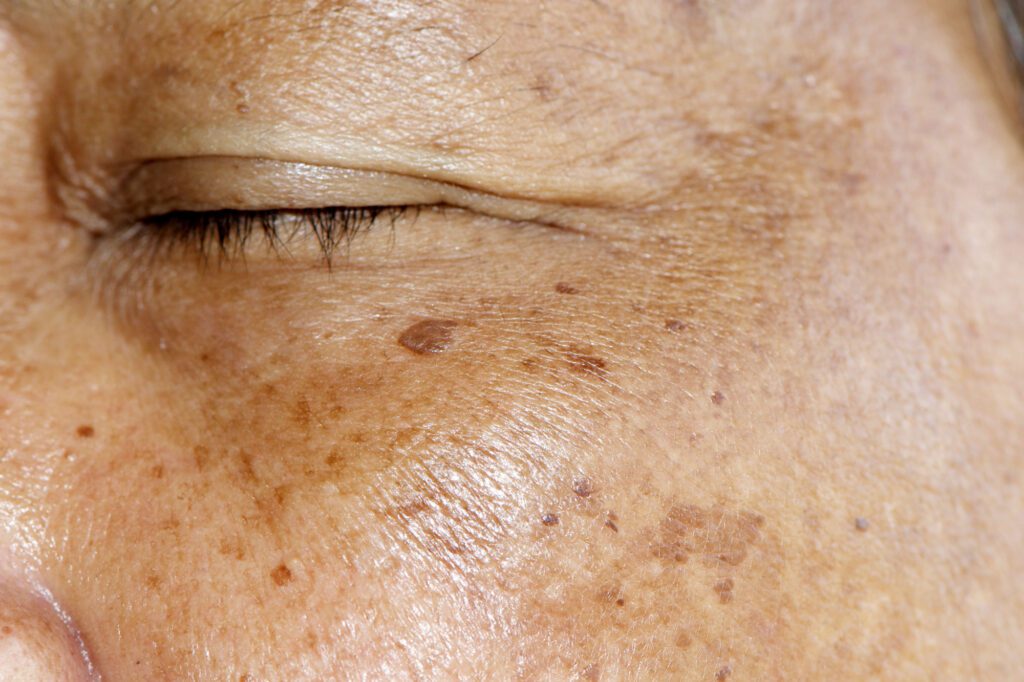
Bear in mind that these cosmetic treatments are generally not covered by insurance policy. Also if your age areas are harmless, they can still affect just how you feel about your appearance. Lots of people select to consult a dermatologist to review cosmetic treatments, such as laser treatment, chemical peels, or topical creams, that help lighten or eliminate age spots. Your dermatologist can offer secure and efficient therapies that restore confidence and boost your complexion. Age spots, also called brownish places, liver areas and solar lentigines, are a typical indicator of aging.
Over-the-counter Therapies
- With very early discovery and treatment, 95 percent of melanoma cases are curable.
- Other aspects that might contribute to the growth of age areas consist of genetics, hormonal modifications, and specific medications.
- The locations have no unpleasant feeling and have a comparable appearance as the various other skin.
- Ultraviolet light (sunlight exposure) boosts manufacturing of melanin.
If itchy, aggravated or inflamed with any redness or pink colour around them, general practitioner reference is suggested. The leading tool in the battle for even-toned and area free skin is day-to-day sunscreen (SPF 30 or even more). Sun damage might not show up till later on in life, but too much sunlight, also as Wart freezing a child, can considerably enhance the opportunities of developing hyperpigmentation. The 2nd point to bear in mind is that when it concerns brownish spots, not all Age spot removal lasers are equal. A board-certified plastic surgeon can choose the correct therapy. Areas surface on cheeks, temples and the back of hands when added melanin (pigment that gives skin shade) clumps with each other.
If healthy and balanced pink intact and non pigmented skin is exposed therapy will proceed in the very same capillary up until full elimination of the imperfection is achieved. However if the pigment continues down right into the dermis, therapy is terminated as results would be not successful. Adhering to treatment a precise match in colour to the surrounding skin can not be assured. Dark spots differ in color relying on the person's skin shade. The locations have no undesirable feeling and possess a similar texture as the other skin. Ask your dermatologist, cosmetic surgeon, or various other skin treatment professional concerning which therapy may be most reliable for your skin.